THEME: Repositioning Animal Agriculture for Africa’s Food Security and Global Competitiveness
Keynote Speakers
Professor Appolinaire Djikeng

Dr. Kayode Femi (DVM)
Professor Samuel E. Aggrey
Lead Paper Presenters
Major General Ibrahim Manu Yusuf (Retired)
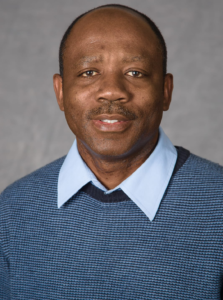
Prof. Tayo S. Adedokun
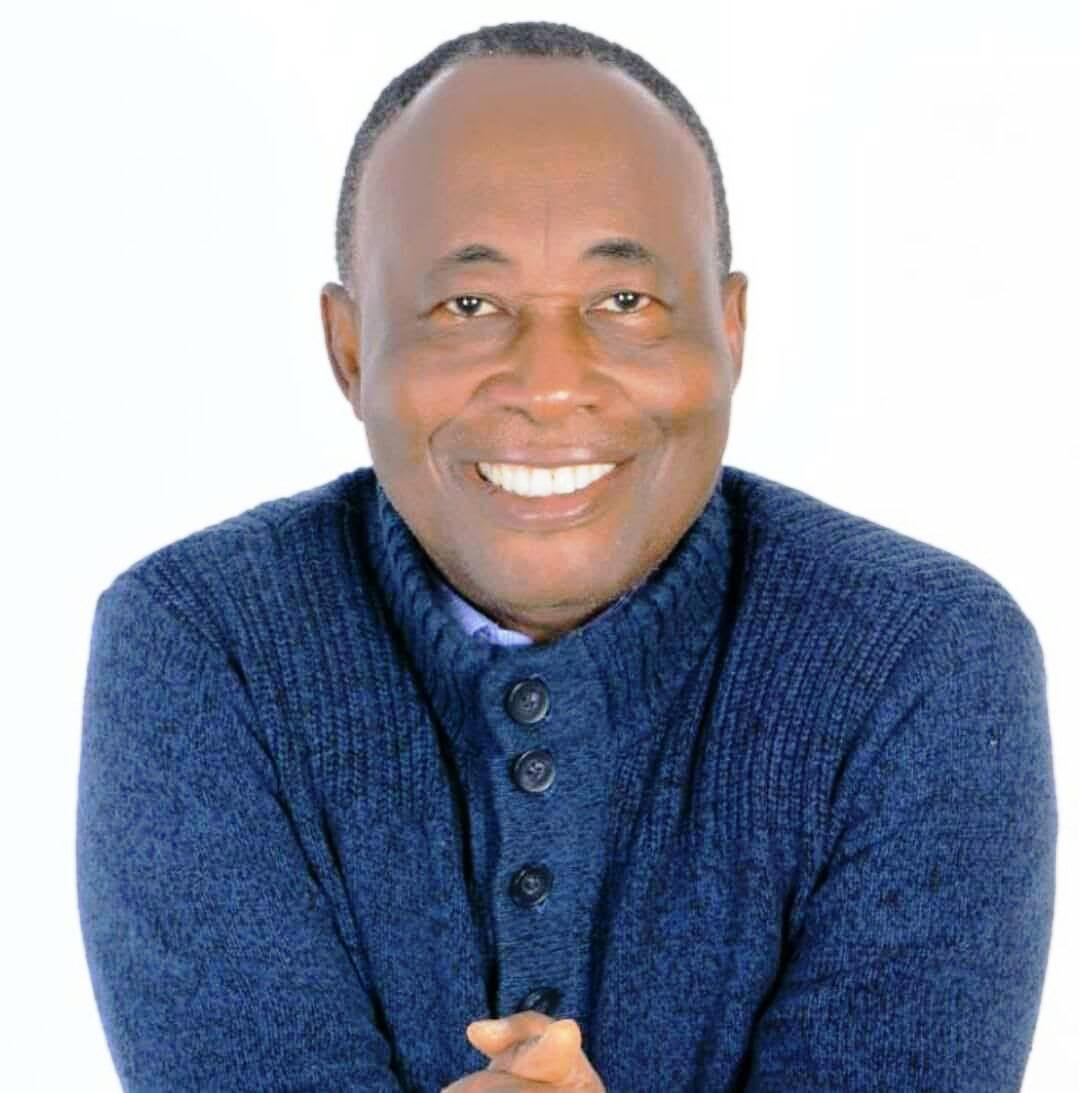
Dr. Kwaku Agyemang
Lead Paper Presenters
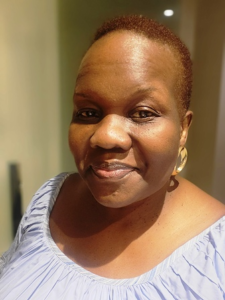
Dr. Sarah Ashanut Ossiya
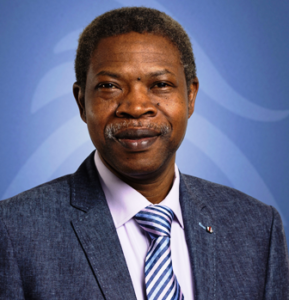
Dr. Victor Olori
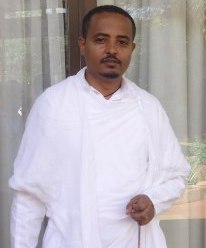
Dr. Getinet Tarekegn
Chairmen of Panel Sessions
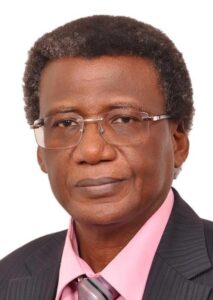
Prof. Baba Yusuf Abubakar
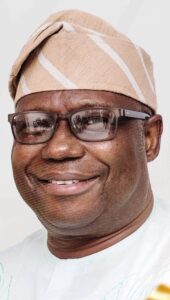
Prof. Yemi Akinbamijo
Professor Appolinaire Djikeng
Profile
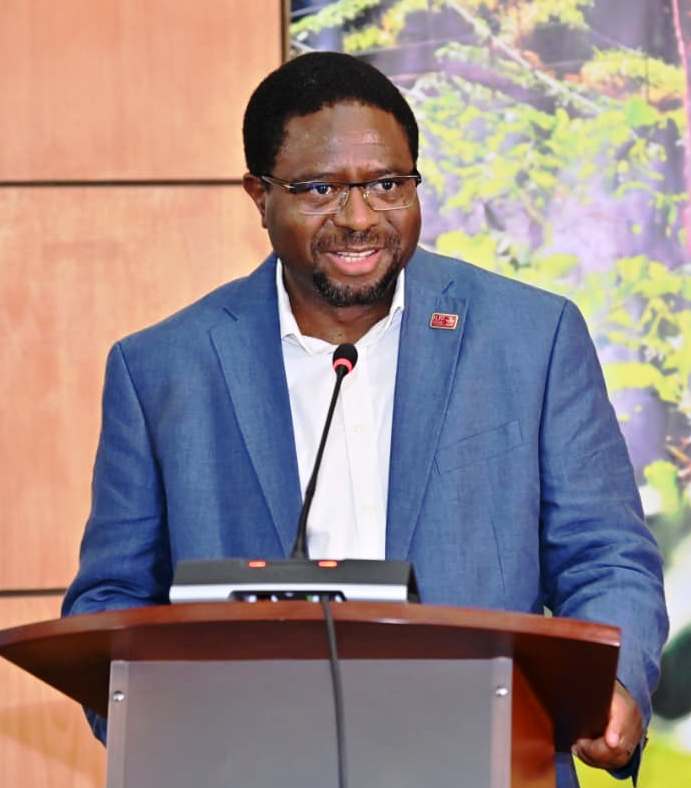
Professor Appolinaire Djikeng
Director General, international Livestock Research Institute (ILRI)
Professor Djikeng is the 4th Director General of the International Livestock Research Institute (ILRI). Professor Djikeng is a global science, innovation and partnerships leader with focus on agricultural development, human health, animal health and environmental health.
Prior to ILRI and the CGIAR, Professor Djikeng was Director of the Centre for Tropical Livestock Genetics and Health (CTLGH) and based at the Roslin Institute, was Chair for Tropical Agriculture and Sustainable Development at the University of Edinburgh, Scotland, UK. Professor Djikeng has over two decades research, research management and institutional development experience in academia and in international not for profit research institutions in Africa, America and Europe. He is Professor at The University of Edinburgh (UK), Honorary Fellow at Scotland Rural College (SRUC, UK), Distinguished Professor at the University of South Africa and Honorary Professor at the University of Queensland’s Center for Animal Science (Australia).
Professor Djikeng serves on numerous science advisory and philanthropy boards: Chair of The Sainsbury Laboratory (TSL) trustees directors (UK), Chair of the Kirkhouse Trust (UK), member of External Advisory Panel of the Norwich Institute for Sustainable Development (NISD, UK), board member of Science for Africa Foundation (Kenya), board member 2Blades Foundation (USA), Member Technical Advisory Group of the BAIF Genetic improvement program (India).
Professor Djikeng has received significant awards including the 2020 Nelson Mandela Peace Award, recognition by the Decade of Health 2021 campaign as one of the 10 people in the United Kingdom changing health, and the 2024 World Food Prize Top Agri-Food Pioneer.
Prof Djikeng completed BSc and MSc in Animal Biology and Physiology (University of Yaoundé, Cameroon), PhD in Biochemistry and Parasitology (Brunel University, UK) and Postdoctoral Fellowship in Genomics and Infectious Diseases (Yale University School of Medicine, USA).
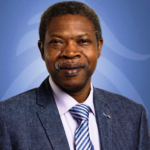
Dr. Victor Olori
Title of Presentation
The impact of commercial breeding companies on sustainable poultry production and protein self-sufficiency in Africa.
Bibliography
Dr Olori received a PhD in Animals Breeding and Genetics from the University of Edinburgh in 1998. He started his studies in agriculture from the grassroots at the Institute of Agricultural Research and Training (IAR&T), Akure, then affiliated to Obafemi-Awolowo University. He went on to study general Agriculture (B. Agric) and Animals Science (MSc) at the Obafemi Awolowo University, Ile-Ife, Nigeria.
He worked in Nigeria as an Assistant Lecturer at ATBU, Bauchi and later in FUNAAB, Abeokuta before proceeding to Europe. In Europe he started work as a lecturer at the University College, Dublin before moving to the private sector.
He has worked as a hands-on geneticist in the livestock sector for over two decades, first for the Irish cattle breeding federation (ICBF) and from 2005 with Aviagen Limited, A leading global poultry (Chicken and Turkey) breeding company. In both organisations, he was responsible for the development and maintenance of the genetic evaluation system required for routine estimation of breeding values and selection leading to the enhancement of performance, robustness, health and wellbeing of the modern broiler. This includes the Arbor Acre (AA) and Ross and Lohmann India River (LIR) brands of chicken commonly used in broiler production across Africa. With a keen interest in sustainable balanced genetic improvement, Dr Olori has researched widely into the area of fertility leading to novel approaches for the genetic evaluation of fertility in both cattle and now in chickens and turkeys. He is a senior geneticists and current manager of the Aviagen global genetic evaluation team (GET) which is responsible for the evaluation of pure lines in four chicken breeding programs and two turkey breeding programs sited across two continents.
Though in the private sector, Dr Olori has continued to work with many academics in conducting joint research, participating and speaking in major conferences and publishing widely. He is a member of the African Animal Breeders Network (AABNet), Nigerian Branch of the World Poultry Science Association (WPSA-NG), British and Irish Society of Animal Science (BISAS), The European Federation of Animals Science (EAAP) and on the board of the European Farm Animal breeding and Reproduction Technology Platform (FABRE-TP).
Dr Getinet Mekuriaw Tarekegn
Dr Getinet Mekuriaw Tarekegn is a geneticist and bioinformatician based at Scotland’s Rural College in Edinburgh. He has a wide range of academic qualifications from different universities in Ethiopia and abroad. He has a BSc in Animal Science and a BSc in Computer Science, an MSc in Animal Genetics and Breeding, and Postgraduate Studies in higher education from Leeds Metropolitan University in the UK. He also obtained his PhD in Applied Genetics from Addis Ababa University. After completing his PhD, he held a visiting scientist position at Biosciences for East and Central Africa (BecA), which is based at ILRI in Nairobi. He then moved to Sweden to undertake postdoctoral study at the Swedish University of Agricultural Sciences (SLU) and worked on the “Genetics and Genomics of dairy cattle fertility and forage efficiency” for three years. He has also worked as an associate professor of livestock genetics and genomics at Bahir Dar University in Ethiopia, as a visiting researcher in small ruminant genomics at Inner Mongolia Agricultural University in China, and as a PhD fellow at the International Livestock Research Institute.
Dr Getinet currently works at the Edinburgh Genetic Evaluation Service (EGENES), which is part of Scotland’s Rural College (SRUC) in the United Kingdom (UK). EGENES is the UK’s leading genetic evaluation service provider. He focuses on developing genetic and genomics evaluation pipelines for beef and crossbred cattle in the UK and developing countries. Since 2024, he has been involved in the Multi-country, Multi-breed, Multi-trait Genomic Evaluation (M3GE) of beef and dairy cattle breeds in European countries. Under the guidance of his supervisors, Prof Mike Coffey and Prof Raphael Mrode, he recently developed a dynamic tool for routine evaluation called the “Africa Genetic Evaluation Service (AGENES)” (https://pure.sruc.ac.uk/en/publications/africa-genetic-evaluation-service-agenes-a-pipeline-for-routine-g/). This is a pipeline currently being deployed to provide multi-country, multi-species, multi-breed and multi-trait genetic and genomic evaluation in African countries and beyond. It automatically generates evaluation results, such as direct genomic values (DGVs) and accuracy estimates thereby simplifying and streamlining the process. The system is designed to support rapid genetic evaluations, helping to improve genetic gain in dairy cattle across the continent and ultimately contributes to better productivity, disease resistance and overall herd performance.
Moreover, he is involved in the African Cattle PanGenome project, which involves de novo assembly using long-read DNA sequences. He collaborates with researchers from national and international organizations in Africa and beyond. He also serves as main and co-supervisor for PhD students working on Pan-Genome construction and reference genome assemblies in native cattle, sheep and poultry breeds in Africa.
Dr Getinet has extensive experience in population genetics, quantitative genetics, genomics and bioinformatics. As a result, he has been appointed Adjunct Professor of Genomics and Bioinformatics at Addis Ababa University in Ethiopia. He has authored and co-authored over 100 scientific articles and conference papers on animal genetics, breeding and livestock genomics, which have been published in peer-reviewed journals and conference proceedings (https://scholar.google.com/citations?user=yOA-j4gAAAAJ&hl=en&oi=ao ).
He organizes and participates in international courses on “Livestock Genomics and Bioinformatics: Applications for Genomics Data, Tools and Methods” and “Genetic and Genomic Approaches for Livestock Improvement” for African and Asian trainees. These courses are offered every year in February. These courses are organized by the Centre for Tropical Livestock Genetics and Health (CTLGH) at the University of Edinburgh in the UK and the Swedish University of Agricultural Sciences in Uppsala, Sweden.
Since 2019, he has served as an associate editor for the Genome Journal (Canadian Science Publishing: https://cdnsciencepub.com/journal/gen/about/editorial-board).
In recognition of his significant contributions to livestock genetics and genomics, he was awarded the following:
1) Fellowship of the Young Ethiopian Academy of Sciences in 2024.
2) The Young Professional Award: from the Ethiopian Society of Animal Productions (ESAP) in 2017
(https://hub.africabiosciences.org/index.php/b9db/article/view/557/557 ).
Dr. Sarah Ashanut Ossiya
Profile
Dr. Sarah Ashanut Ossiya
Professional Maxim: ‘Often policy serves more to legitimize what is taking place, than to direct what might take place’ (R. Tenga et al, 2008)
Dr. Sarah Ashanut Ossiya, a Livestock, Feed and Fodder Sector and Industry Development Strategist, believes that Africa’s livestock sector holds the key to sustainable solutions to some of the most pressing challenges on the continent. Her professional maxim gives credence to her journey that includes tenure in research, teaching, development communication, institutional leadership, advocacy, policy reform, private sector support and organization, and strategy development.
Dr. Sarah is currently leading a Team at African Union – InterAfrican Bureau for Animal Resources (AU-IBAR) that is developing an Investment Assessment Tool Box to move Africa from extractive to competitive, resilient and inclusive livestock value chains, economic sectors and industries; and designing a livestock and feed and fodder financing mechanism aligned to sector demographic needs and functionality. Her work at AU-IBAR, has focused on bringing visibility to the enormous but latent and untapped potential economic and development contribution of Africa’s vast livestock and wider animal resources. She led the recently concluded Resilient African Feed and Fodder Systems (RAFFS) Project.
Her greatest career satisfaction emanates from policy, governance and data ecosystems reforms, increased public and private sector investments, private sector financing models and elevation of women’s inclusion. Six recent recognitions, achieved with her Team and partners, are deeply inspiring:
- Substantive inclusion of livestock in the CAADP Kampala Declaration, and AU Summit endorsement of the Policy Framework for Economic Feed and Fodder Sectors and Industries
- At the close of the Resilient African Feed and Fodder Project in June 2026:
- E. Moses Vilakati, AU Commissioner Agriculture, Rural Development, Blue Economy and Sustainable Environment remarked ‘As the RAFFS Project concludes, we celebrate its role in placing feed and fodder at the heart of Africa’s agricultural transformation agenda’.
- Tom Osebe, Senior Officer Livestock and Economic Opportunity, Gates Foundation: ‘The RAFFS Project has laid the infrastructure for Africa’s feed and fodder sector’.
- Reuben Gisore, Technical Director at the African Organization for Standardization (ARSO): The RAFFS Project supported Standard: ‘Minimum Set of Functional Indicators for Monitoring the Growth or Emergence of Economic Feed and Fodder Sectors in Africa’ sets a continental and global precedent of setting standards to guide countries to evolve and monitor functional sectors.
- Recognition of the Feed and Fodder Inventory and Balance for Resilience and Early Warning Tool (FIBRE) as an outstanding innovation, at the FAO Global Conference on Sustainable Livestock Transformation.
- Sustainable ASAL Fodder Fund (SAFE) and the Cooperative Fodder Fund (CFF for the dairy sector) financial mechanisms adopted by three African Union Member States as continental prototypes.
Dr. Sarah’s greatest professional assets are curiosity, an indefatigable hunger to learn, capacity to ask questions to deconstruct asymmetries; capacity to constitute talented multi-disciplinary teams that generate strategies, models and protocols to offer functional solutions; and willingness to emerge new disruptive narrative and more functional language. Her academic pathway combines animal nutrition, agronomy and natural resource and environmental science, from Makerere University Uganda, James Cook University North Queensland, Australia, and Texas A&M University, College Station, Texas, USA.
Prof. Tayo S. Adedokun-
Sunday (Tayo) Adedokun – Bio
Dr. Tayo Adedokun is an Associate Professor in the Department of Animal and Food Sciences at the University of Kentucky, Lexington, Kentucky. He conducts research in applied nonruminant animal nutrition (poultry and swine), with an emphasis on the digestibility and utilization of minerals (phosphorus and calcium), energy, and nitrogen (amino acids) in poultry and swine.
In the area of amino acid nutrition, Dr. Adedokun has conducted research to evaluate the effects of factors such as age, strain, dietary nutrient levels (including minerals such as calcium and dietary electrolytes [sodium, potassium, and chloride]), and environmental stressors (e.g., heat stress) on basal ileal endogenous amino acid losses and standardized ileal amino acid digestibility.
Furthermore, Dr. Adedokun’s laboratory has been involved in research aimed at enhancing the use of exogenous enzymes (e.g., phytase, protease, and carbohydrase) in poultry feeds, including determining their optimal inclusion levels under various biological, environmental, and nutritionally stressful conditions. He is currently conducting research on the effects of exogenous enzyme supplementation on poultry performance as well as on nutrient and energy digestibility and utilization, while also evaluating its implications for environmental sustainability.
Dr. Adedokun has published 58 peer-reviewed journal articles in poultry and swine nutrition, three book chapters, 11 conference proceedings, delivered 12 invited presentations, and authored more than 106 conference abstracts. He is a professional member of the Poultry Science Association, the World’s Poultry Science Association, and the American Society of Animal Science.
Major General Ibrahim Manu Yusuf (Retired). OFR
Major General Ibrahim Manu Yusuf (Retired). OFR, is a distinguished military leader and scholar with 33 years of service in the Nigerian Army. He has held key command and staff roles, including General Officer Commanding 7 Division, Force Commander of the Multinational Joint Task Force, and Commandant of the Nigerian Defence Academy (NDA), where he led landmark reforms in military education and infrastructure.
He holds a BA in History, an MA in International Affairs and Diplomacy from Ahmadu Bello University, an MA in Defence Studies from King’s College London, and a Master’s in Strategic Studies, alongside a Postgraduate Diploma in Strategic Management from the UK’s Chartered Management Institute. He has also studied at the Naval Postgraduate School (USA), Harvard Kennedy School, and institutions in Norway and the Netherlands.
General Yusuf has authored several academic publications, delivered convocation lectures at the University of Ibadan and the Nigerian Army University. He has recently published a two volumes book titled, “Counterterrorism and Counterinsurgency Operations in Northeast Nigeria”. He has received numerous national and international honours, including the OFR and the Knight of the Order of Chad. He is a Fellow of the Nigerian Defence College. Historical Society of Nigeria, Society for Peace Studies and Practice, and remains actively engaged in academic and policy discourse.
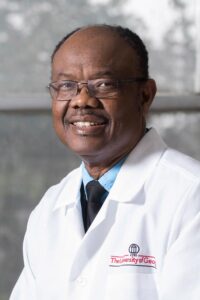
Professor Samuel E. Aggrey
Profile
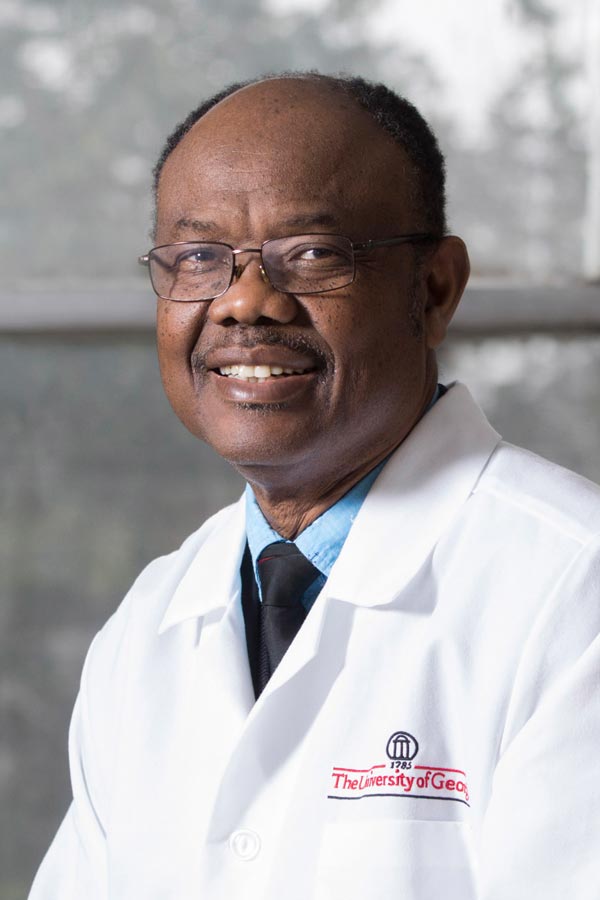
Prof. Samuel E. Aggrey is a Distinguished Research Professor at the Department of Poultry Science, University of Georgia. He obtained his BSc in Animal Science at the University of Ghana. He obtained his MSc with Distinction at Wageningen University. He obtained a PhD in Quantitative Genetics and Poultry Breeding at the University of British Columbia. In 2020, he was awarded an endowed chair as the Richard B Russell Professor. He is also an affiliate member of the Institute of Bioinformatics at the University of Georgia and an affiliate scientist at Biosciences East and Central Africa (International Livestock Research Institute, Kenya). He is currently a visiting Professor at the Department of Animal Science at the University of Ghana. He is a co-editor of “Poultry Genetics, Breeding and Biotechnology” and the lead editor for “Advances in Poultry Genetics and Genomics”. His notable awards include the Jaap Memorial Lectureship at Ohio State University, the D.W. Brooks Award of Excellence for Research, Career Development Recognition from the University of Georgia, The Broiler Research Award from the Poultry Science Association, and the World’s Poultry Science Association P. B. Siegel Research Award. His research areas include nutrigenomics, molecular basis of stressors (heat, Eimeria species, Salmonella, etc.), genotype–nutrition interactions, and developing statistical models for genome selection.
Prof. Baba Yusuf Abubakar
Profile
Prof. Abubakar is currently the Pro-Chancellor of Gombe State University and member of the Advisory Board of the Nigeria LNG Prize for Science & Innovation. He was the pioneer Executive Secretary of the Agricultural Research Council of Nigeria, Director, Policy Implementation & Monitoring in Office of the Secretary to the Government of the Federation and the immediate past President of the Nigerian Institute of Animal Science. Internationally, Prof. Abubakar served in various capacities as follows: member, Consultative Group on International Agricultural Research Fund/System Council; Chairman, Governing Board of the West and Central African Council for Agricultural Research and Development (CORAF/WECARD); member, Governing Board of the Forum for Agricultural Research in Africa; member, Expert Panel on the development of Science Agenda for Agriculture in Africa; member, Executive Board, Technical Center for Agriculture and Rural Cooperation (CTA); and immediate past Chair, Board of Trustees, WorldFish Center. He was recipient of the Presidential National Honours Award of Officer of the Order of the Federal Republic (OFR) as well as the CORAF/WECARD Award of Honour for invaluable contribution to Agricultural Research and Development in West and Central Africa. He obtained his M.Sc. and Ph.D. (1985) in Animal Breeding and Quantitative Genetics from Cornell University.
Prof. Baba Yusuf Abubakar
Profile
Yemi Akinbamijo is an agriculture expert with a track record of leadership in food/nutrition security, rural development, agricultural and environmental sciences domain. He is the immediate past Executive Director of the Forum for Agricultural Research in Africa (FARA) with a continent-wide mandate on the coordination of agricultural research for development in Africa 2013-2023. Prior to his appointment as the Executive Director of FARA in 2013, Yemi was the Head of Agriculture and Food Security Division at the African Union Commission Headquarters in Addis Ababa, Ethiopia. He had also served as Chief Animal Resource Officer of the African Union Commission in Nairobi for four years and one year as Head of Mission and Director of the Inter-African Phytosanitary Council in Yaoundé Cameroon.
He worked as a Nutrition physiologist at the International Trypanotolerance Centre Banjul, The Gambia for eleven years including a one year Visiting Scientist position at the Centre for Tropical Veterinary Medicine at the University of Edinburgh, Scotland.
With more than 40 years in the practice of agriculture and rural development across the continent and abroad, he has served with increasing responsibilities and leadership roles in institutions with national, regional and continental mandates, including twice as a Diplomat/Head of Mission.
Outside of work, Yemi has been involved in various leadership, stewardship, and incubation projects. He was in the Haggai Institute for Christian Leadership training (Cohort 230, Singapore). He teaches Integrity and Leadership skills to young aspiring leaders. Yemi has contributed to numerous international/global governing mechanisms for agricultural development across the globe including the Scientific Advisory Board of the Centre for Dryland Agriculture, Bayero University, Kano. Selected previously held governing board/council mandates include Chairman of the African Agri Indaba (South Africa), Co-Chair of the Platform for the African-European Partnership for Agricultural Research and Development, Vice Chair FANRPAN Board, Boards of Corad, CCARDESA, ASARECA, Global Forum for Agricultural Research (GFAR) among others. Dr. Akinbamijo is an Adjunct Professor at BUK and a former university lecturer (Animal Science Department, OAU, Ile-Ife). He obtained his PhD in Agriculture and Environmental Sciences from the Wageningen Agricultural University, The Netherlands in 1994. He is a prolific writer with over 100 scientific publications to his credit and author of many books, articles, impacting the science and society domains. Yemi is currently domiciled in the USA where he continues to apply his broad experience to the field of international agriculture. In his spare time, he doubles as poet, pianist and grandparent.

Dr. Kwaku Agyemang, PhD (Cornell University)
Dr. Kwaku Agyemang is an internationally recognized livestock scientist and agricultural systems strategist with more than four decades of experience across West, Eastern, and Southern Africa. His workNV integrates adaptive livestock biology, institutional architecture, and policy design in support of resilient and inclusive agricultural transformation.
He received his early scientific training at the University of Science and Technology (UST), Kumasi, Ghana, and later earned a second Master of Science degree in Agricultural Development from the University of London, United Kingdom. He completed his doctoral studies at Cornell University, where his research laid the foundation for subsequent work on adaptive livestock productivity in Africa.
Dr. Agyemang held senior leadership roles within the CGIAR system, most notably with the International Livestock Research Institute (ILRI), where he served as Acting Team Leader, Team Leader, and Country Representative. He also served as Director General of the International Trypanotolerance Centre—now the West Africa Livestock Innovation Centre (WALIC). His international advisory work includes long-term engagements with the Food and Agriculture Organization of the United Nations (FAO), the African Union Inter-African Bureau for Animal Resources (AU-IBAR), the Alliance for a Green Revolution in Africa (AGRA), and the United States Agency for International Development (USAID).
A central focus of his scientific contributions has been the biological and economic validation of Africa’s trypanotolerant cattle and their role in sustainable mixed crop–livestock systems. His research helped shift regional breeding discourse from input-intensive breed substitution toward within-breed selection for adaptive traits under endemic disease and nutritional stress. He has authored over 130 scientific publications and led major regional initiatives on livestock profitability, climate resilience, and feed systems across SADC, ECOWAS, and EAC/IGAD-ICPLAD frameworks.
In recognition of his contributions to livestock productivity, Dr. Agyemang received the International Dairy Production Award in 2000.
Beyond scientific research, he has been instrumental in shaping livestock strategies, institutional reform processes, and results-based implementation frameworks at national, subregional, and continental levels. His career reflects a sustained commitment to aligning science, institutional capacity, and governance instruments to advance resilient food systems and inclusive wealth creation across Africa.
He currently serves as Chair of the Institute of Leadership, Energy, Environment and Management (ILEM) Board and as a Member of the WALIC Governing Council.
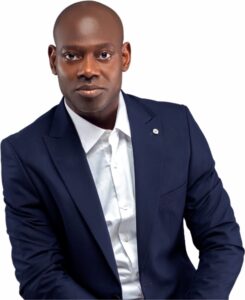
Dr. Kayode Femi (DVM)
A Pioneering Veterinarian and Market Expansion Expert
Dr. Kayode Femi is an accomplished veterinarian, social entrepreneur, and visionary leader dedicated to advancing animal health while driving sustainable business growth across Africa. His strategic acumen and exceptional leadership have positioned him as a transformative force in both veterinary medicine and enterprise development.
Professional Leadership & Innovation
- Elected to the governing board of the Veterinary Council of Nigeria, Dr. Kayode made history as its youngest member.
- Spearheaded the integration of cutting-edge technology into the Council’s operations, revolutionizing nationwide regulation of veterinary practices.
- Recognized globally as an ASHOKA Fellow (2018) and Making More Health Fellow (2020), reflecting his commitment to social innovation and global animal health.
Social Impact & Community Development
- Advocates for community-led development, working closely with livestock communities to identify needs and empower them to create lasting change.
- Champions initiatives that extend beyond animal welfare to improve the well-being of individuals and communities across Nigeria and beyond.
Entrepreneurial Vision
- Founder & CEO of Farm Alert, a multi-million dollar animal healthcare brand transforming access to affordable veterinary care in underserved African communities.
- Established distribution centers in Abuja, Lagos, Ibadan, Kano, Taraba, Port Harcourt, Liberia, and Sierra Leone, expanding reach across West Africa.
- Through Farm Alert, directly empowered 32 veterinarians to establish their own practices, strengthening the veterinary ecosystem.
Youth Empowerment & Leadership Development
- Founder of Kayode Kounsulting Kouncil, a dynamic consulting firm cultivating leadership and innovation among young Africans through impactful training programs.
- Established K-Trybe, a youth-focused club fostering collaboration, leadership skills, and mentorship opportunities for young persons exploring innovative ideas.
Personal Life
Dr. Kayode is a devoted husband to Margaret, and together they are raising four children: Oreofe, Eniola, Ayomi, and Adeogo. His family remains a source of inspiration and grounding as he continues to shape the future of veterinary medicine, entrepreneurship, and youth empowerment in Africa.
 English
  French